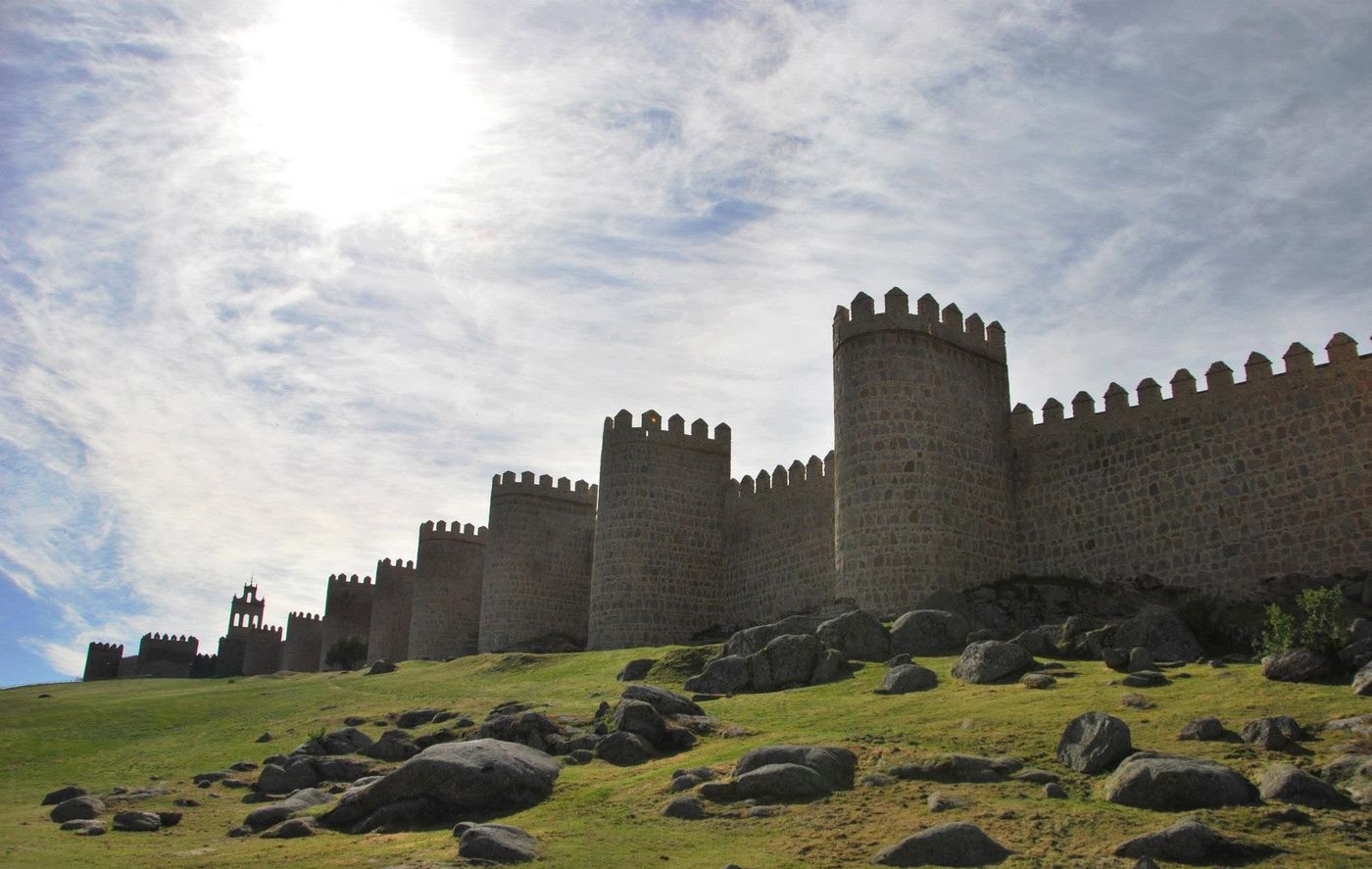
The walls at Ávila.
Itinerary design, supplier coordination, and destination advisory for operators bringing student groups to Spain. Built by a certified Spanish teacher who lived in Madrid for twenty one years, has travelled the country extensively as both a child and an adult, works with Spanish suppliers in Spanish, and has planned and led student programs there personally.
Operators with strong adventure and outdoor programming often move into Spain because a school asks for it, and then find that the work is different in kind. The logistics that make a wilderness itinerary succeed do not transfer, and the absence of relationships on the ground shows up in specific, repeatable ways.
Most operators start with an advisory engagement on an itinerary they have already drafted, and move to design or coordination once the working relationship is established.
A written review of an itinerary you have already drafted, assessing whether it is realistic for the age group, the trip length, and the group size you have committed to.
A complete program built from your dates, budget, group profile, and learning goals, delivered as a day by day itinerary with the reasoning behind each decision made explicit.
Program design together with coordination of the local suppliers through delivery, so that everyone receiving your group has been briefed on the age range and the group's needs before it arrives.
Operators ask about this early, so it is worth being direct. I am not a destination management company, and the page is written so that you know exactly what you are buying.
The reason the recommendations are specific is that they come from planning these programs, travelling with the students, and watching what actually breaks on day four.
I have been a certified Spanish teacher for ten years, and have organized and led middle school student trips, including programs in Spain. I know what a group of thirteen year olds can sustain in a day, how that differs from what an itinerary looks like on paper, and what the difference costs a group by the middle of the week.
I lived in Madrid for twenty one years across two stints, first as a child and later as an adult, and travelled extensively throughout the country during both. I work with Spanish suppliers in Spanish, which changes what is available, what is possible on short notice, and what it costs.
During 2010 and 2011 I wrote detailed restaurant reviews across Madrid, Valencia, and Andalucía at buenprovechospain.com. The archive is old, and I keep it because it shows how I read a meal, a room, and a region rather than because the recommendations are current. Food is the most reliable way into a culture for a student group, and it is the part of an itinerary most often left to chance.
The most useful thing an advisor does is say no to an itinerary before a school has been sold on it. I would rather tell you that a routing is too ambitious in April than have your group discover it in June.

When a Spanish operator proposed a ten day itinerary covering four cities and four hotels, I recommended against it, citing a comparable trip three years earlier that had proven to be too much for the students, and proposed an alternative routing with fewer hotel changes, fewer long transfers, and a slower pace through the same region. The concept was sound. The load was not, and the fix was specific rather than a general objection.
“He helped us think through the trip from the perspective of the students, offering thoughtful guidance on pacing, cultural expectations, daily logistics, meals, transportation, and what would realistically work for a middle school group.
Matt anticipated questions and potential challenges before they became issues, and his recommendations made the experience feel more manageable for the adults and more meaningful for the students.”
Two of the people I went to school with in Madrid now work in precisely the areas a student program needs. These are not commercial partnerships and I do not describe them as such. They are people I have known since childhood, whose work I can vouch for, and whom I would put in front of a group of students without hesitation. For everything else a program requires, I source and vet suppliers directly.
Guided food experiences in the capital with an established international food tour company, in a format that can be adapted in pacing, portion, and content for a student group.
An officially licensed guide for the Comunidad Valenciana, which matters in Spain because certain sites and guided contexts require accreditation that visiting staff do not hold.
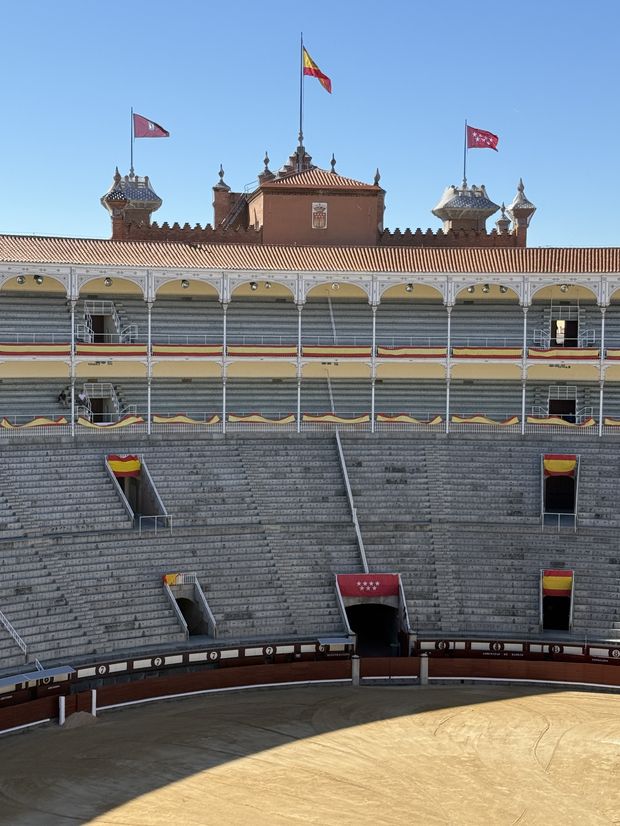
Beyond those two, I have accumulated working contacts across the country over years of bringing groups there, including guides at the historic bullrings, owners of olive oil producers, and independent restaurants that are willing and able to seat thirty students at once. Where a program calls for a hands on workshop, whether ceramics, cooking, or a craft particular to the region, I source a studio that can take the whole group rather than fitting the group to a studio. These are the relationships that decide whether a request made three weeks out receives a yes or a no, and they are the reason a program can usually be adjusted when weather, a closure, or an illness forces a change.
Most Spain programs run Madrid, Toledo, and Seville, which are excellent and heavily trafficked. The country is considerably larger than that, and knowing the rest is what allows a program to be built around what a particular group needs rather than around what is easiest to book.
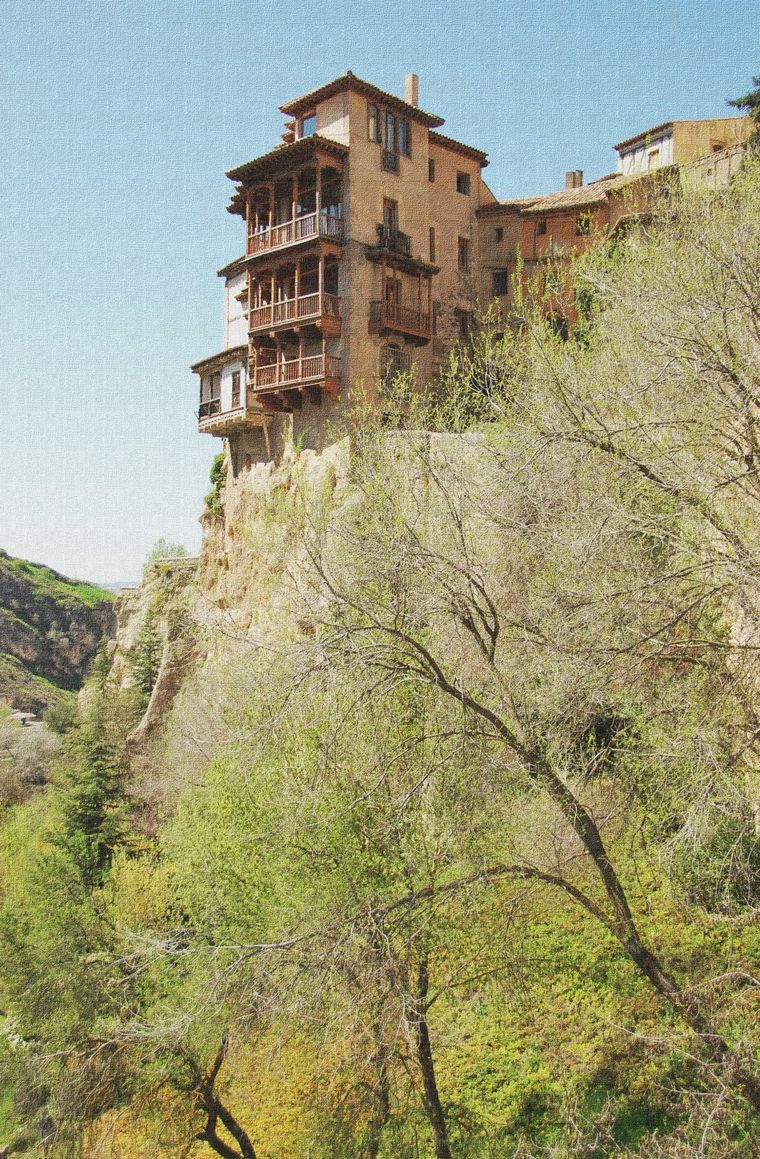
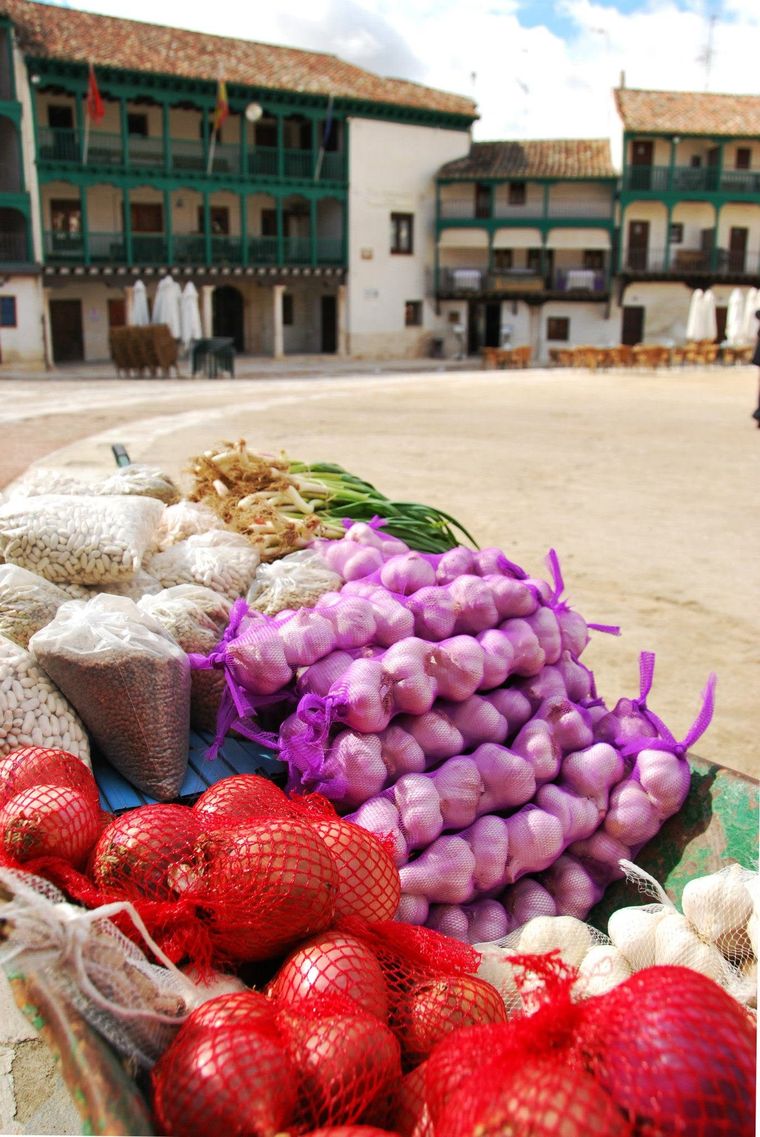
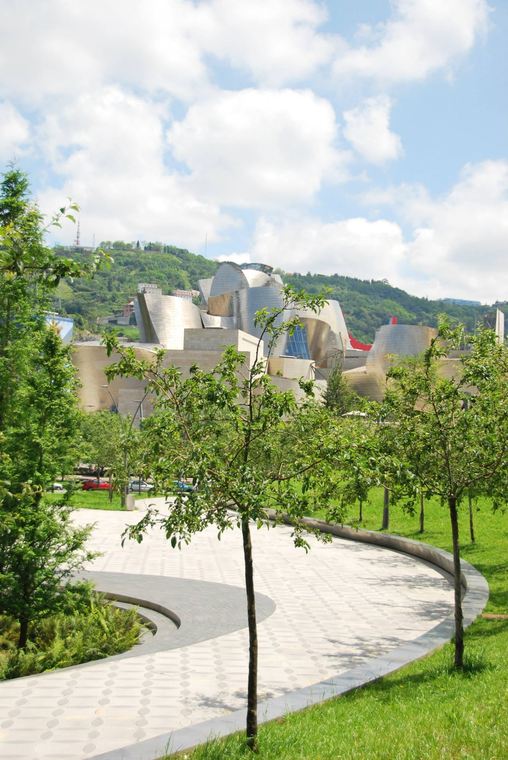
I design Spain programs for operators who are running student groups there, and I advise on programs they have already drafted. That covers routing and pacing, supplier selection, restaurant planning for group size and dietary needs, transfer timing, and the contingencies a school trip actually runs into. Engagements range from a written review of an existing itinerary through to designing a program and coordinating the local suppliers through delivery.
No, and I am careful not to describe myself as one. I do not contract suppliers on your behalf, hold ground operations liability, process payments, or provide in country staffing. You keep the commercial relationship and the operational control, and what I bring is the destination knowledge, the working relationships, and the judgment about what a student group can realistically sustain.
Six to twelve months before departure is comfortable, because that is when the interesting suppliers are still available and the itinerary can still be shaped around what the group needs. I can work to shorter timelines, and often do, but the later the conversation starts the more the program gets built around what happens to be bookable rather than around what would be best.
I can introduce you to established local educational operators who run exchange and homestay programs, and I can advise on whether that format suits the group you are bringing. I do not place students with families myself, because host vetting and safeguarding belong with an organization set up to carry that responsibility.
No. Spain is the country I lived in for twenty one years and travelled throughout as both a child and an adult, and the value of what I offer comes from that depth rather than from breadth. For programs elsewhere in Europe you would be better served by someone with the same relationship to that country.
It depends on the length of the trip, the size of the group, and how much of the program you have already drafted, so I scope each one rather than publishing a rate card. The first read of an itinerary you have already written is free, and you will have a clear price before any paid work begins.
Send me the itinerary you have drafted, the dates, the group size, and the age range, and I will tell you plainly what I would change and what I would keep. There is no charge for that first read.
Email matt@buenprovechospain.com